Wall Pilates vs. Strength Training for Petites: Which Actually Works?
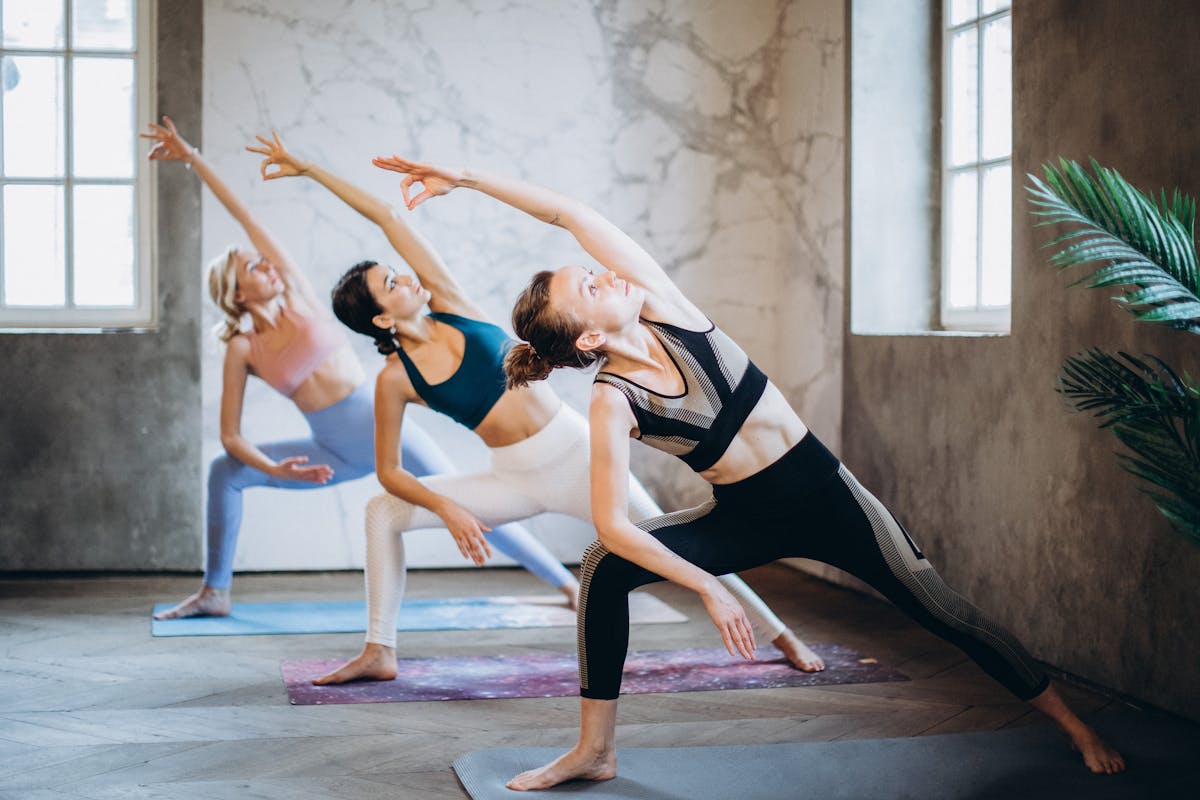
Wall Pilates has exploded on social media, and the appeal is obvious: no gym, no equipment, just you and a wall. But if you are a petite woman with goals beyond "toning," you need to understand what Wall Pilates can and cannot do for your body. Here is the honest truth: Wall Pilates builds endurance, flexibility, and body awareness — but it does not provide the mechanical tension your muscles and bones need for real growth. This guide compares both methods head-to-head and gives you a hybrid "Power-Pilates" program that takes the best of both worlds: the accessibility of wall movements plus the muscle-building power of dumbbells.
Wall Pilates vs. Weights: What the Science Says
Muscle growth requires mechanical tension — progressively heavier loads that challenge your muscles beyond what they are used to. Wall Pilates relies on body weight and leverage angles for resistance, which is effective for beginners but quickly hits a ceiling. Once your body adapts to supporting its own weight (typically within 4-8 weeks), Wall Pilates alone cannot provide the progressive overload needed for continued muscle and bone development.
For petite women specifically, this limitation matters more than for taller women. Your smaller frame already means less bodyweight to use as resistance. A 110 lb petite woman doing wall sits is loading her legs with far less force than a 160 lb woman doing the same exercise. This is where dumbbells and external resistance become essential — they allow you to scale the load independent of your bodyweight.
The good news: you do not have to choose one or the other. The hybrid approach in this program uses Wall Pilates-style movements for activation, mobility, and endurance work, then adds dumbbell exercises for the heavy mechanical loading that builds muscle and bone density. You get the mind-body awareness of Pilates plus the body-changing results of strength training. Think of Wall Pilates as the warmup and dumbbells as the main course.
Benefits of a Power-Pilates Hybrid
Best of Both Worlds
Wall movements build body awareness and flexibility while dumbbells provide the mechanical tension for real muscle growth.
Progressive Overload Built In
Unlike pure Wall Pilates, you can increase dumbbell weight each week — ensuring your muscles never stop adapting.
Bone Health Protection
Resistance training with weights builds bone density. Wall Pilates alone does not provide enough load to stimulate bone growth.
Accessible for Beginners
Wall exercises are an excellent starting point. This program gradually transitions from bodyweight to weighted movements.
Metabolic Rate Boost
Building muscle through weighted exercises raises your resting metabolic rate — something Wall Pilates alone cannot achieve.
Minimal Equipment Needed
All you need is a wall and a pair of adjustable dumbbells. No gym membership or bulky machines required.
Program Overview
Who it's for: Petite women who enjoy Wall Pilates but want real muscle-building results, or beginners transitioning from bodyweight to weights
Want a program built for you?
Petite Strength creates a personalized program based on your equipment, body type, and goals.
Create Your Program30 secWhy These Exercises?
Each exercise in this program was selected for a specific reason. Here's why:
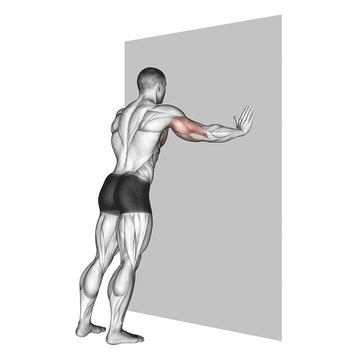
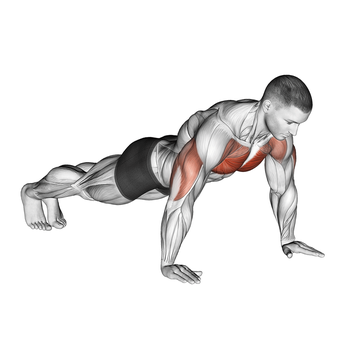
Push-up (wall)
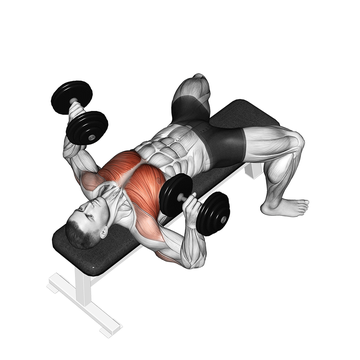
Wall push-ups are a perfect activation exercise — they prepare the chest and shoulders for heavier dumbbell pressing.
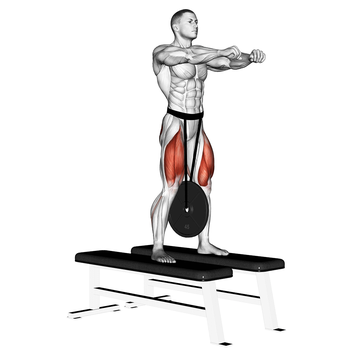
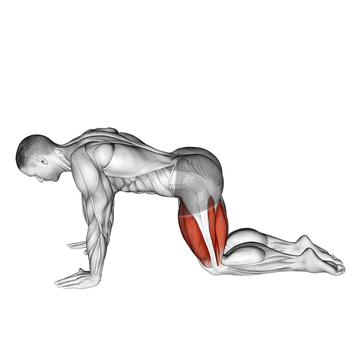
Weighted Squat
Wall sits build isometric leg endurance and teach proper squat depth before adding dumbbell load.
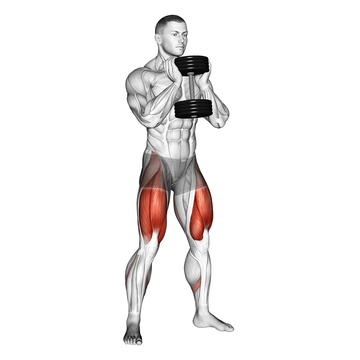
Dumbbell Goblet Squat
The goblet squat adds external load to the squat pattern — this is where real leg and glute growth happens.
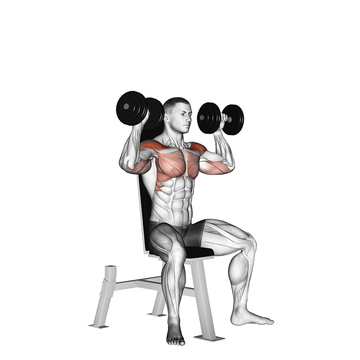
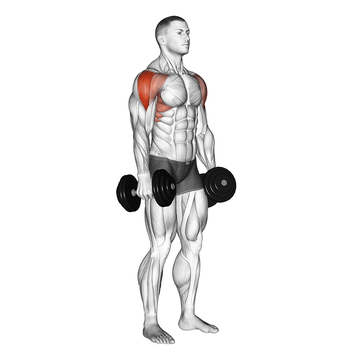
Dumbbell Seated Shoulder Press
Overhead pressing builds the shoulder muscles that Wall Pilates arm circles can only lightly activate.
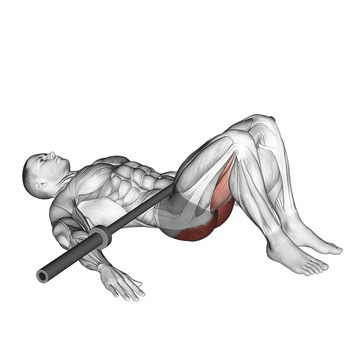
Barbell Glute Bridge
Heavy glute bridges build the glute size and shape that wall leg raises simply cannot achieve.
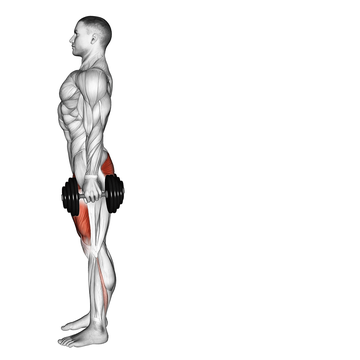
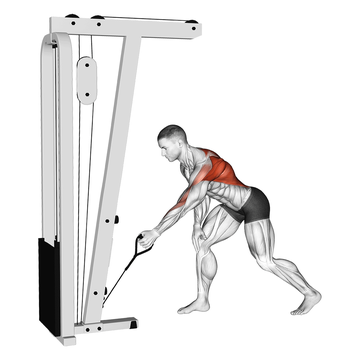
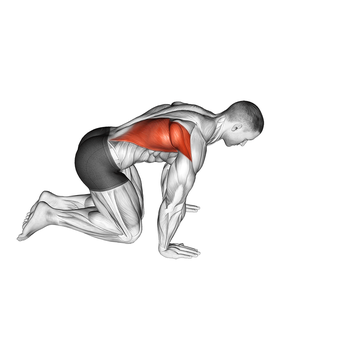
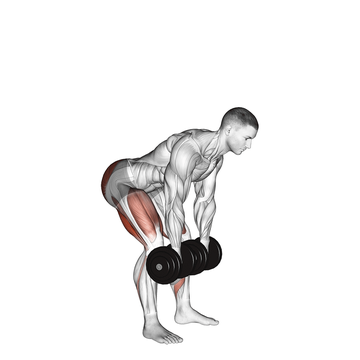
Cable One Arm Bent Over Row
Dumbbell rows build the back strength and posture that no wall exercise can replicate.
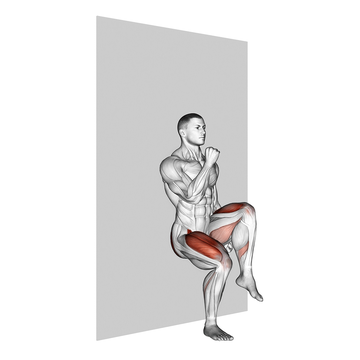
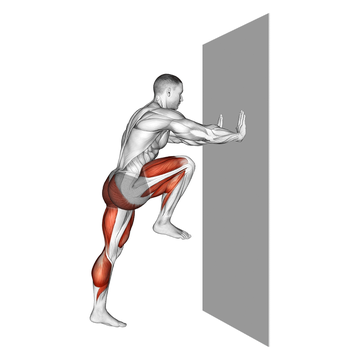
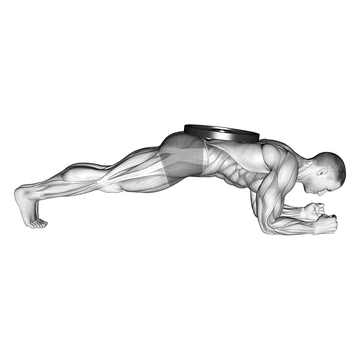
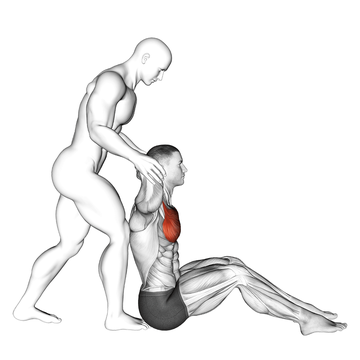
March Sit (wall)
Wall marches combine the Pilates principle of controlled movement with isometric leg loading for core and quad activation.
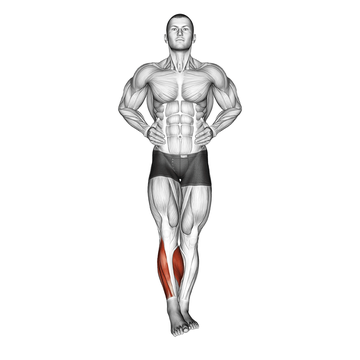
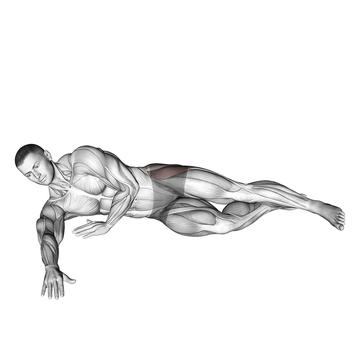
The Complete 3 days Program
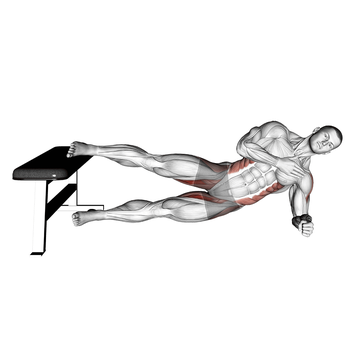
Follow this program consistently for best results. Start with weights that feel manageable and aim to increase gradually each week as you get stronger.
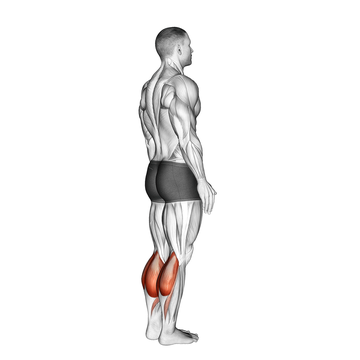
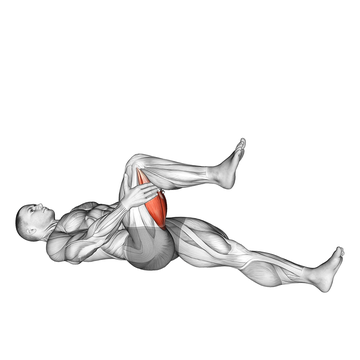
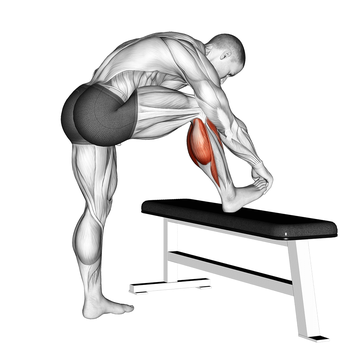
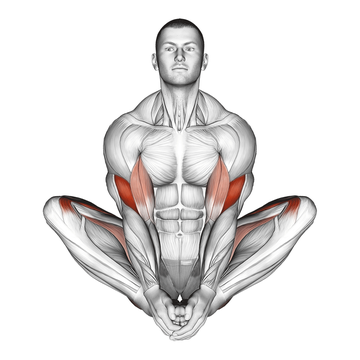
Want a program built for you?
Petite Strength creates a personalized program based on your equipment, body type, and goals.
Create Your Program30 secStarting Your Power-Pilates Journey
- If you are brand new to exercise, start with just the wall movements for the first 2 weeks, then add dumbbells in week 3.
- Begin with the lightest dumbbells available (3-5 lbs) and increase weight when you can complete all reps with good form.
- Think of wall exercises as activation and mobility work, not your main workout. They prepare your body for the heavier dumbbell movements.
- Do not rush through the wall exercises — use them to build the mind-muscle connection that makes your dumbbell work more effective.
- If Wall Pilates is your comfort zone, commit to trying dumbbells for 6 weeks. The difference in your body will convince you.
- Schedule rest days between sessions. Recovery is when muscle growth actually happens.
Frequently Asked Questions
Is Wall Pilates enough to build muscle?
Wall Pilates can build initial muscle endurance and body awareness, but it does not provide the progressive overload needed for meaningful muscle growth. After 4-8 weeks, your body adapts to the bodyweight resistance and stops building new muscle. You need external load (dumbbells, bands, barbells) to continue progressing.
Can Wall Pilates improve bone density?
Minimally. Bone density requires mechanical loading that exceeds what your bones normally experience. Wall Pilates does not generate enough force to stimulate significant bone formation. For bone health, you need resistance training with weights at 70%+ of your maximum capacity.
Will adding dumbbells make Wall Pilates less enjoyable?
Most women who add weights to their routine report enjoying their workouts more, not less. The sense of accomplishment from lifting heavier each week is genuinely motivating. This program keeps the mindful, controlled pace of Pilates while adding the satisfaction of progressive strength.
How heavy should my dumbbells be to start?
Start with 5-8 lb dumbbells for upper body exercises and 10-15 lbs for lower body. You should be able to complete all reps with good form, but the last 2-3 reps should feel challenging. When the entire set feels easy, increase weight by 2-5 lbs.
Can I still do standalone Wall Pilates on rest days?
Yes. Light Wall Pilates on rest days can serve as active recovery and mobility work. Just keep the intensity low — the goal on rest days is movement and blood flow, not muscle fatigue. Save your effort for your three Power-Pilates sessions where the real growth happens.
Get a Free Personalized Program
Every body is different. Petite Strength will build a strength program tailored to your exact needs: